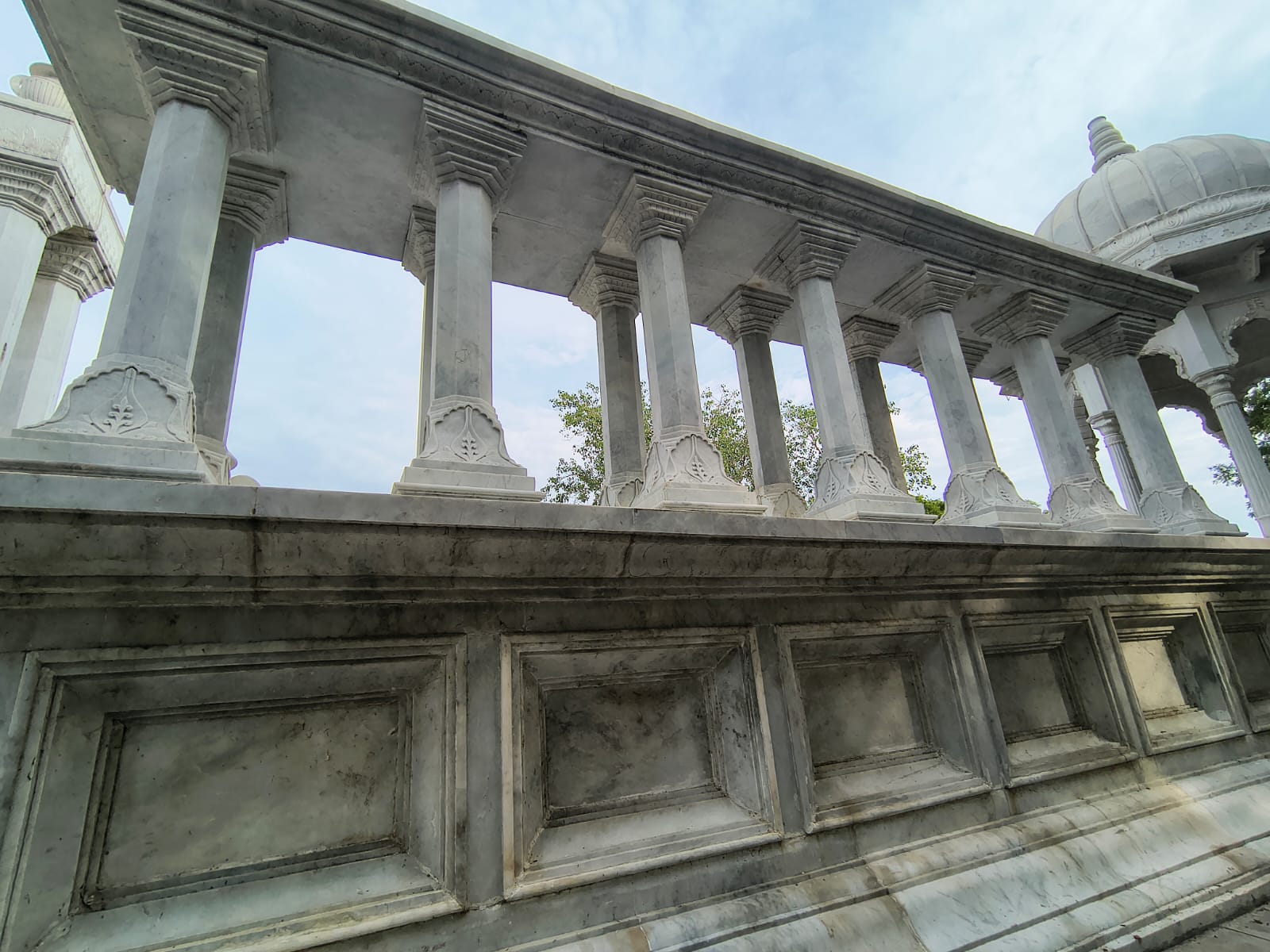
First Impressions: Jaipur's Gateway
Reflections on a Contemporary Landmark

A First Architectural Conversation
The first glimpse of a city often lingers longer than the city itself. Before Jaipur reveals its bustling bazaars, pink façades, or the fortified walls of the historic Walled City, visitors arriving from the airport are greeted by a monumental marble gateway stretching across the roadway. It is an arresting sight—grand in scale, rich in ornament, and unmistakably inspired by Rajasthan's architectural heritage. For many visitors, this becomes their first architectural conversation with the city.
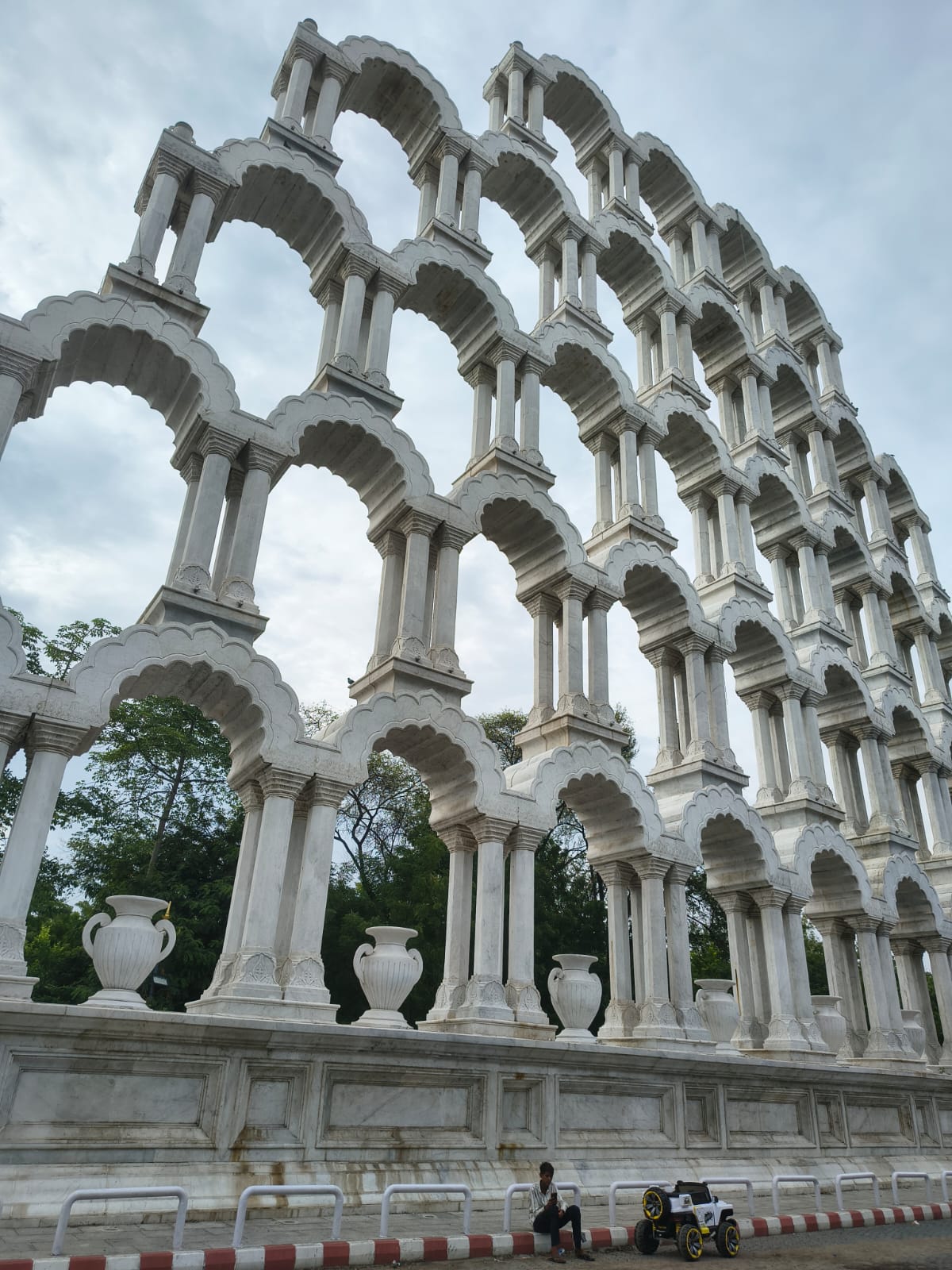
Reading the Gateway
The gateway reinterprets the traditional Indian toran—a ceremonial symbol of welcome and auspicious beginnings—within a contemporary urban context. Composed of cusped arches, marble columns, domed chhatris, intricate floral carvings, and detailed stone craftsmanship, the monument commands attention through its strong visual presence. By combining contemporary construction with the architectural vocabulary of Rajasthan, it transforms an everyday road corridor into a symbolic point of arrival.
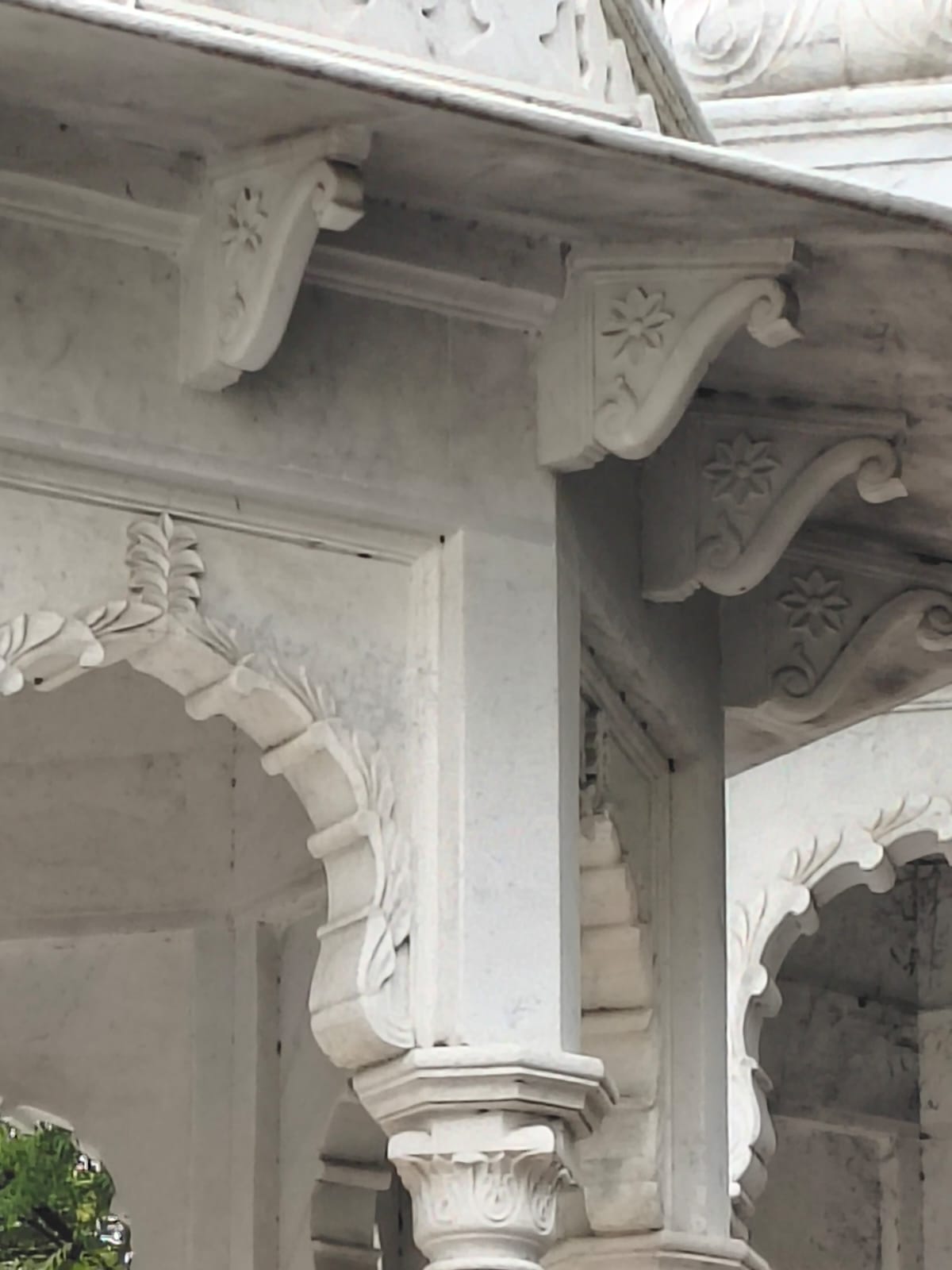
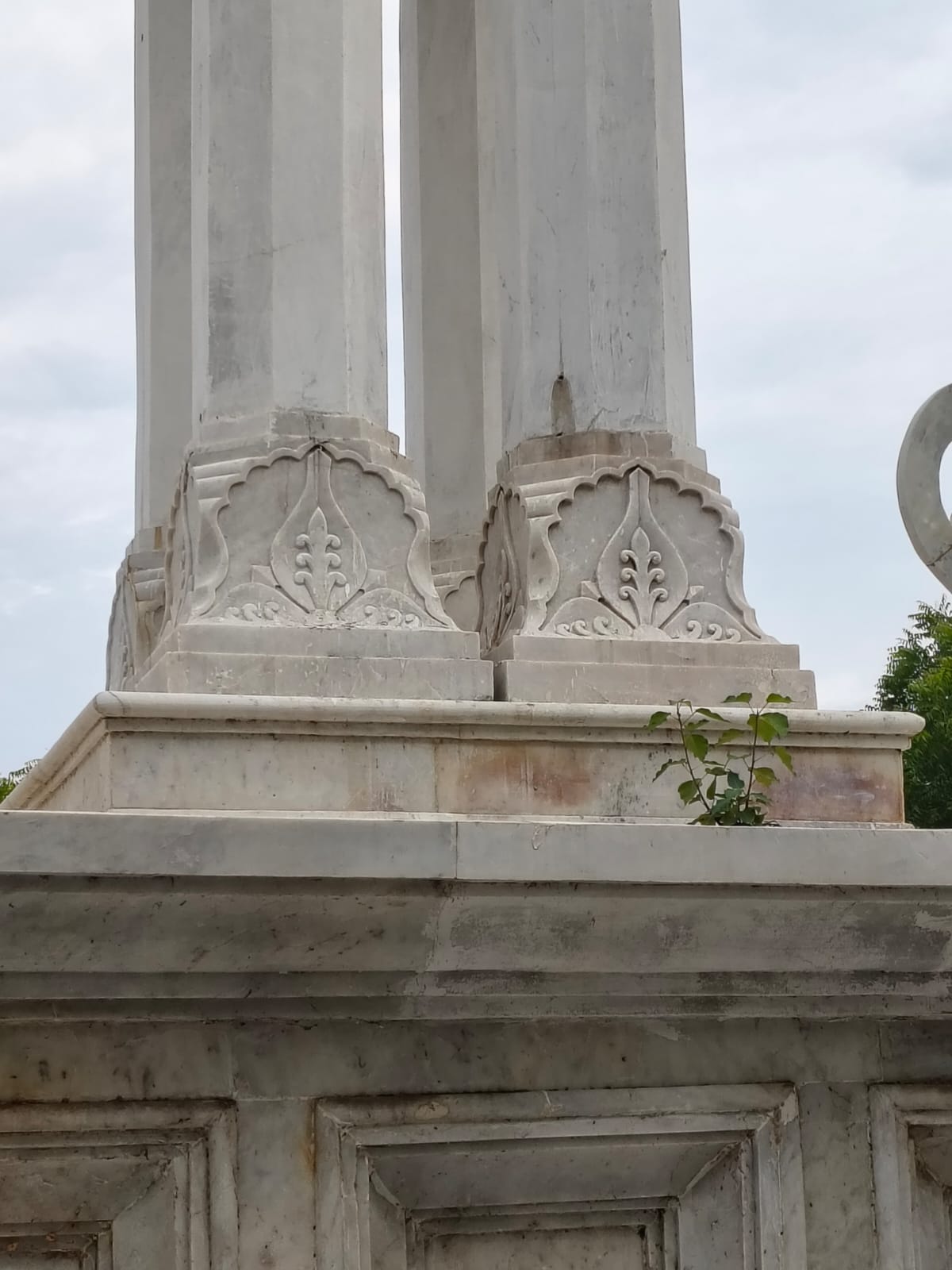
A Convincing First Impression
At first glance, the gateway celebrates many of the architectural elements commonly associated with Jaipur. The arches recall the arcades of historic palaces, the chhatris echo the city's skyline, and the marble craftsmanship reflects Rajasthan's long tradition of stone carving. Together, these elements create a memorable civic landmark that announces arrival with confidence while reinforcing a strong sense of place.
Learning from Historic Gateways
Jaipur's historic gateways were much more than decorative entrances. They formed an important part of the city's urban planning, guiding movement, responding to climate, defining transitions, and expressing craftsmanship. Their ornament was closely connected to structure, function, and the experience of moving through the city.
Contemporary projects often reinterpret these traditions in new ways, balancing cultural references with present-day construction techniques and urban requirements.
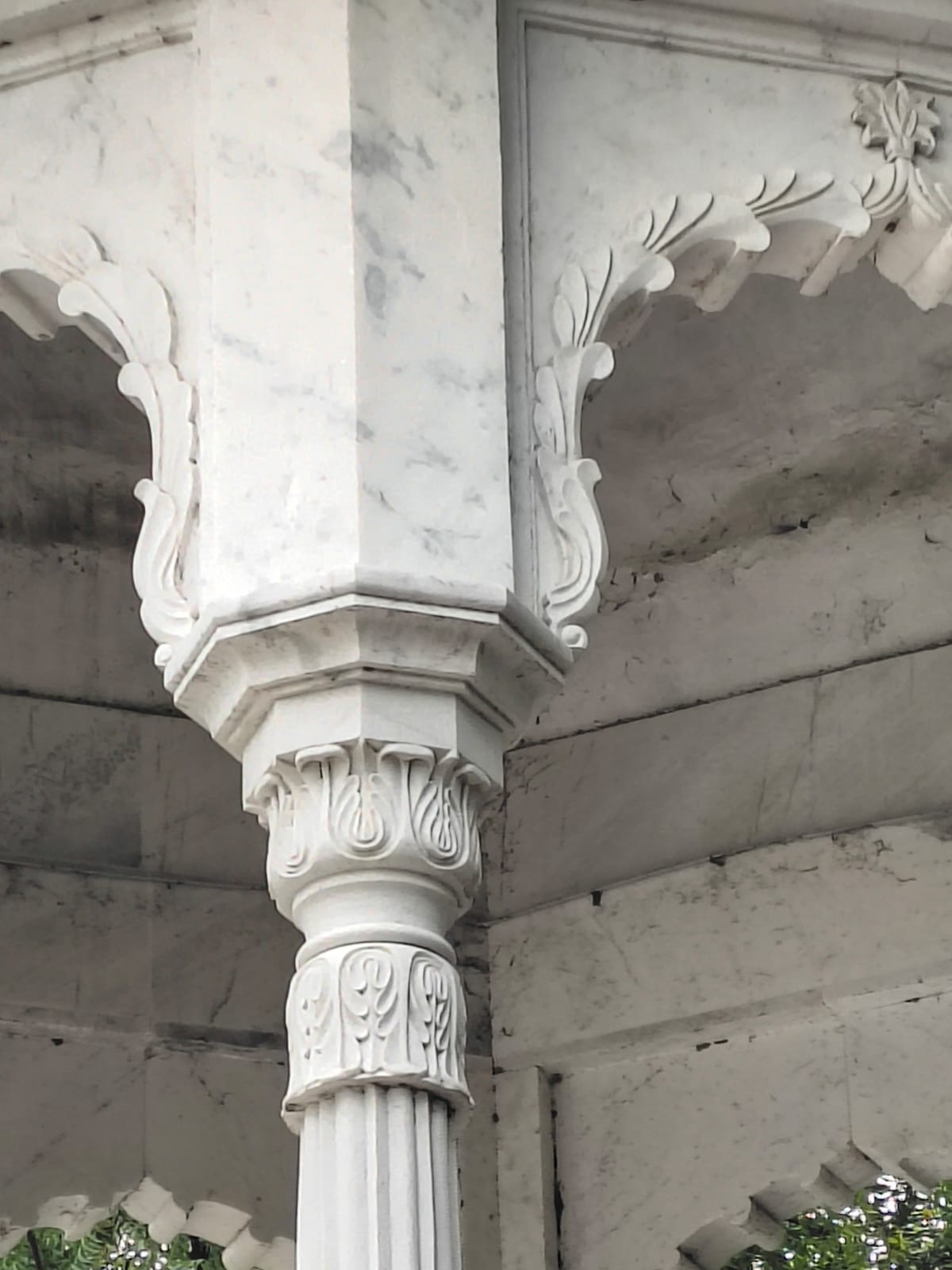
A Student's Observation
Looking closely at the gateway raises an interesting architectural question. Historic buildings often introduced subtle variations in proportion, detail, or rhythm to create moments of emphasis and visual progression. In contrast, this gateway presents a more consistent rhythm across its