Healthcare Architecture · Studio Athenos

Designed
around
care.

Hospitals, clinics, and diagnostic centres built around the people who use them — patients, families, and the clinicians who serve them.

Message on WhatsApp
Ar. Rahul Saxena
Principal Architect · Studio Athenos
Medpreneur Summit 2025 · 20 years practice
Our Work

Healthcare projects across India.

Ground-up hospitals, diagnostic centres, specialty clinics — each built around its brief, its site, and its community.

Balaji Hospital Facade
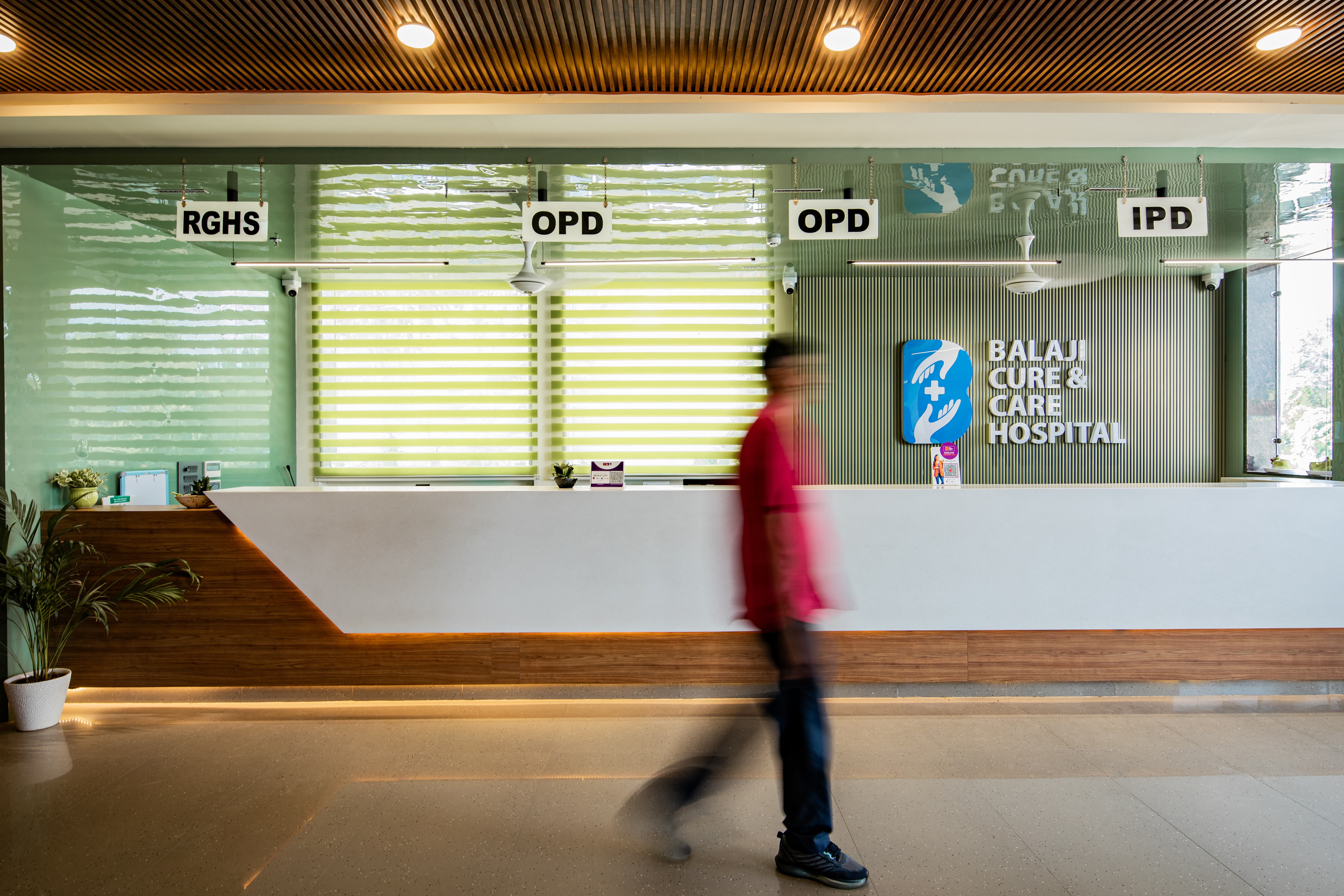
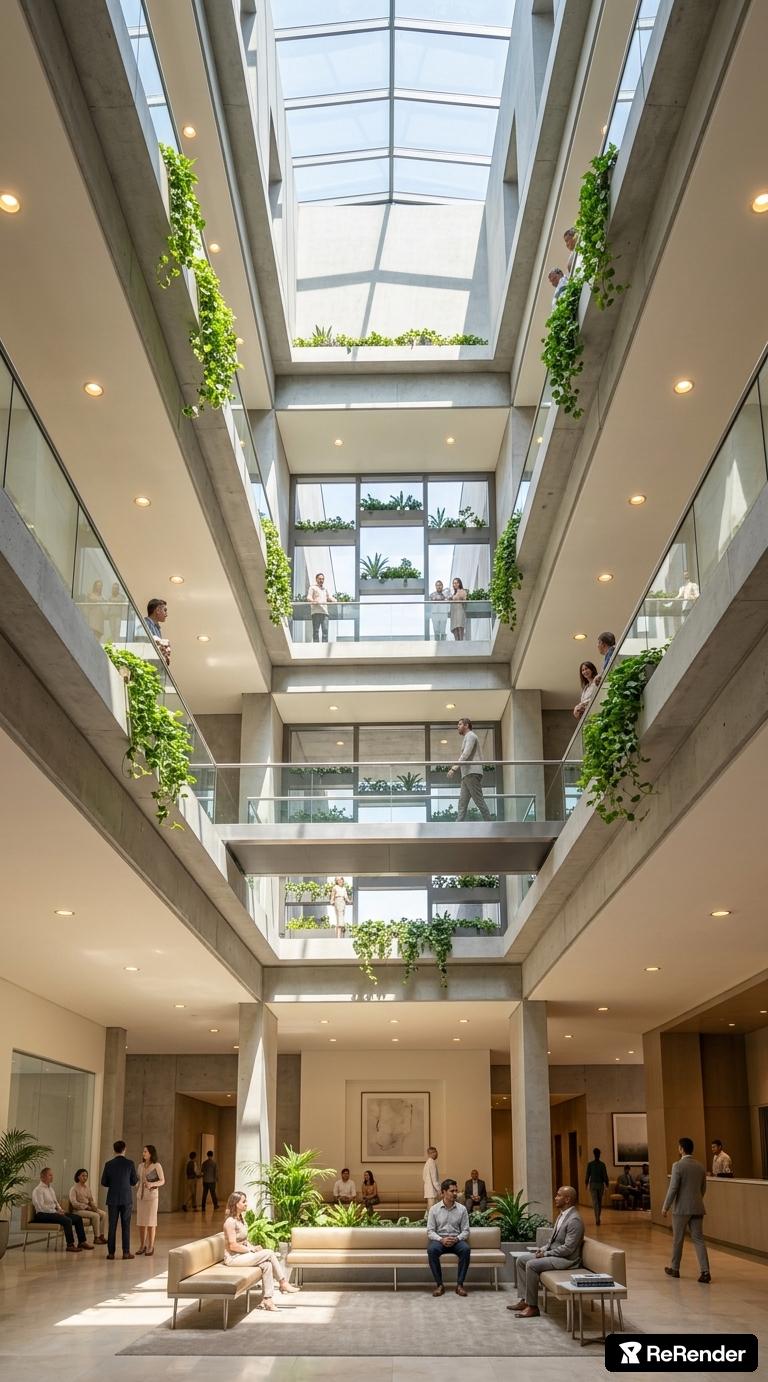
Lobby
Doctor Consultation Room

Balaji Cure & Care Hospital

Multi-specialty6 FloorsJaipur, Rajasthan2022–2025Ground-up
Architecture + Interior Design
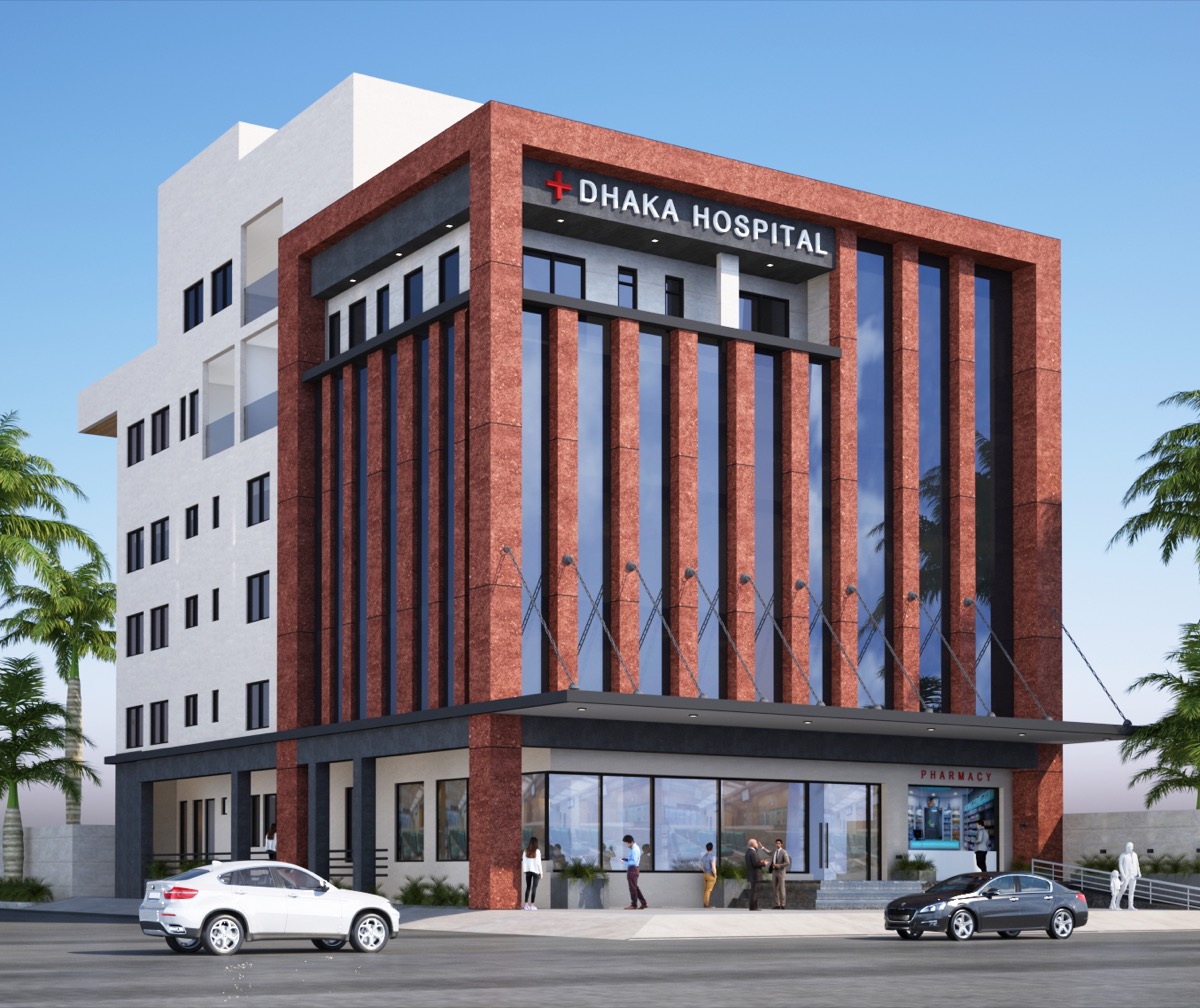
Dhaka Hospital Rendered Exterior

Dhaka Hospital

General HospitalGround-upRendered Design
Architecture + Design
Garg ENT Reception
Garg ENT Waiting Area & Corridor

Garg ENT Clinic

ENT SpecialtyJaipur, RajasthanInterior Design
Interior Architecture
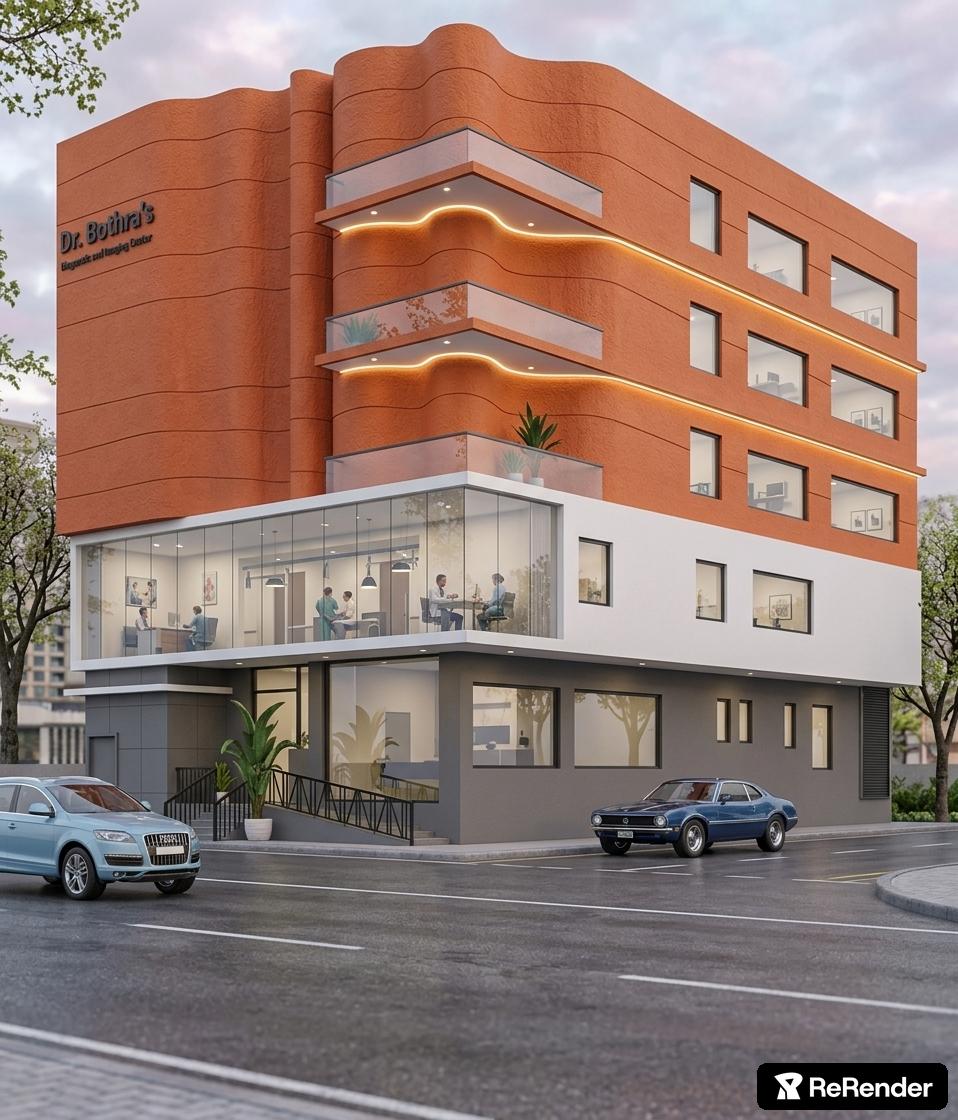
Dr. Bothra Diagnostic Centre Rendered Exterior

Dr. Bothra’s Diagnostic & Imaging Centre

Diagnostics & ImagingRendered Design
Architecture + Design
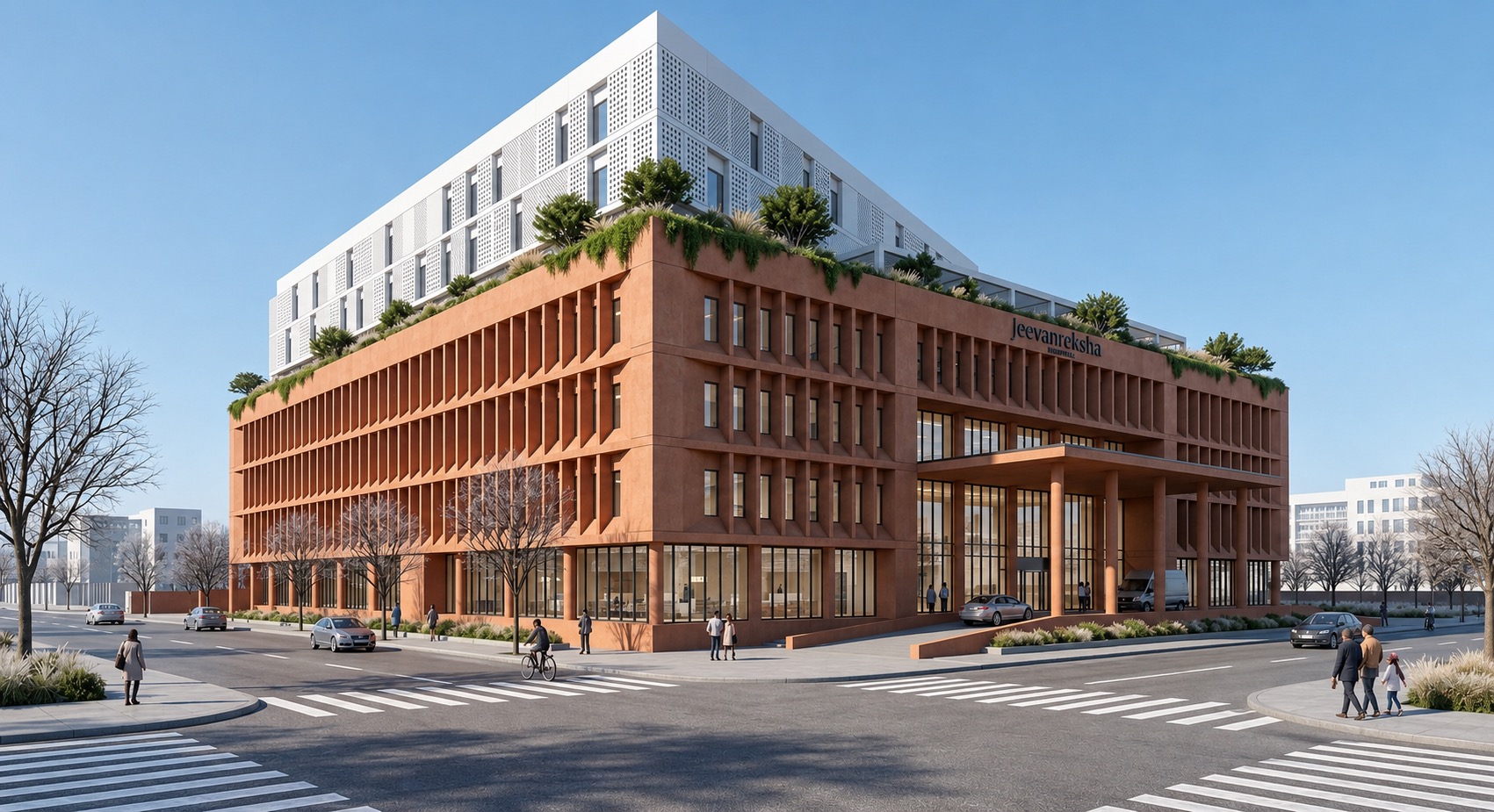
Jeevan Raksha Hospital Pilani

Jeevan Raksha Hospital

Multi-specialtyPilani, RajasthanGround-up
Architecture Design
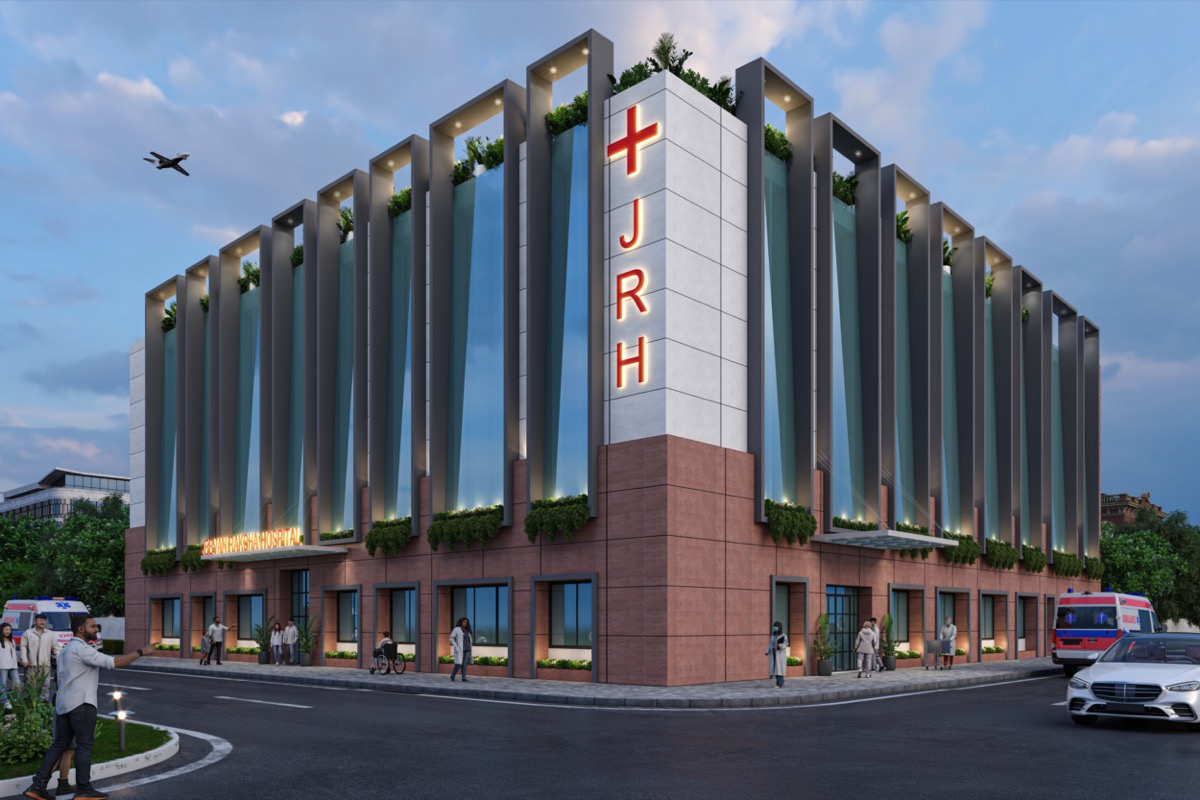
Rajat Hospital, Merta
Multi-specialty · Floor Plans Complete · Under Construction

Rajat Hospital

Multi-specialtyMerta, RajasthanGround-up
Architecture Design
Floor Plans Complete
The Architect’s Voice

Recognition, research, and what doctors say.

Recognition

Awards & speaking engagements

Medpreneur Summit 2025 — Speaker
October 2025 · Healthcare Architecture
Ar. Rahul Saxena was invited to present on healthcare architecture as a discipline of empathy, efficiency, and future-readiness — to an audience of hospital founders, clinicians, and medical entrepreneurs.
Full profile →
Design Unfiltered Excellence Award 2026
Jaipur Edition · Residential Interior · Sirca Wood Coatings, Italy
Recognised among Rajasthan’s best design practices for narrative depth and material precision.
In the Press & On Air

Articles, features & conversations

Architectural Digest India
Featured Studio
Studio Athenos featured among notable design practices in India. AD India remains the country’s most respected design publication.
More articles, videos, and podcast appearances will be listed here as published.
Read Design Dialogs →
Documentation & Reference

The regulatory maze, untangled.

Every hospital project in India involves multiple overlapping approvals. Message us on WhatsApp and we’ll walk you through any of these — in context, not as a PDF.

NABH
National Accreditation Board for Hospitals & Healthcare Providers

India’s primary hospital accreditation standard. NABH sets design requirements for ICU bay sizes, infection control zoning, handwashing stations, and nurse call systems. Planning for NABH from day one avoids expensive retrofits.

Get NABH Checklist
AERB
Atomic Energy Regulatory Board

Required for any facility operating X-ray, CT, MRI, or radiation therapy. AERB approval takes 6–12 months. Apply the moment your floor plan is finalised — room shielding design must meet AERB specs before construction begins.

Get AERB Guide
NABL
National Accreditation Board for Testing & Calibration Laboratories

Required for diagnostic laboratories. NABL has specific design requirements for lab layout, specimen flow, ventilation, and waste segregation. If your hospital includes a pathology lab, this accreditation will affect your floor plan.

Get NABL Checklist
Fire NOC
No Objection Certificate — Fire Department

Hospitals are high-occupancy, vulnerable-population buildings. Requirements include staircase widths, fire door ratings, sprinkler systems, smoke detection zones, and emergency lighting. Must align with NBC 2016 norms.

Get Fire NOC Checklist
PCPNDT
Pre-Conception & Pre-Natal Diagnostic Techniques Act

Mandatory registration for any facility operating ultrasound equipment. The design of the ultrasound room, its signage, and access control are all part of the audit checklist.

Get PCPNDT Guide
CEA
Central Electricity Authority — HT/LT Electrical Compliance

Hospitals require dedicated HT/LT connections, DG backup, and uninterrupted power for critical areas. CEA compliance governs substation design, earthing, and electrical load calculations.

Get CEA Guide

When does each approval happen?

During Design
AERB ApplicationStart early — 6–12 months
PCPNDT IntentBefore equipment arrives
Before Construction
Building Plan ApprovalLocal body / municipal corp
Fire NOC — IntentWith building plan
During Construction
AERB Shielding Cert.Radiation room inspection
Biomedical Waste Licence
Before Opening
Fire NOC — FinalPost-construction inspection
Drug LicenceFor in-house pharmacy
CEA Completion
Post-Opening
NABH Accreditation6–12 months after operations
NABLFor diagnostic labs

Timelines vary by state. Some approvals run in parallel; others are sequential. Your architect’s drawing set needs to satisfy each authority’s format requirements — this is often where delays happen.

Before You Brief an Architect

Things worth knowing first.

Building a hospital is among the most complex construction projects in any category. These are the questions we hear most often — answered plainly.

Have a specific question? Ask on WhatsApp →
How much floor area will I actually need?
For a multi-specialty hospital, plan for 80–100 sqm per bed across the entire building. Key benchmarks:
  • OPD consultation room: 12–15 sqm each
  • ICU bed: minimum 14 sqm (NABH requirement)
  • Operating theatre: 36–42 sqm per table
  • Nursing station: 8–10 sqm per floor
  • Waiting area: 1.2–1.5 sqm per seat
Support areas typically add 20–25% to net clinical area.
What’s a realistic timeline from land to opening day?
Plan for 3 to 5 years from brief to operations:
  • Brief to concept design: 3–4 months
  • Design development: 4–6 months
  • Approvals: 6–18 months — most variable phase
  • Construction: 18–30 months
  • Fit-out and medical gas: 3–6 months
The single biggest delay is approvals. Start AERB the moment your floor plan is finalised.
Can I build in phases while still running my practice?
Yes — and for most independent doctors, it’s the smarter approach.
  • Phase 1: Ground floor — OPD, diagnostics, pharmacy. Start generating revenue.
  • Phase 2: IPD floors above while ground floor operates.
  • Phase 3: Additional specialties or expansion wing.
Critical: a complete master plan from day one. Building Phase 1 without a master plan typically makes Phase 2 structurally impossible.
What planning approvals will I need, and in what order?
  • Change of land use or hospital zone confirmation
  • Building plan approval from local body
  • Fire NOC — intent before construction, final after
  • AERB licence — if you have X-ray, CT, or MRI. Start early.
  • PCPNDT registration — if you have ultrasound
  • Biomedical waste management licence
  • Drug licence for in-house pharmacy
How do I make a hospital feel less clinical?
The clinical feel in most hospitals comes from white walls, fluorescent lighting, and no outside connection — none of which are functional requirements:
  • Natural light reduces perceived wait time
  • Green walls measurably reduce patient anxiety and blood pressure on admission
  • Warm materials reduce institutional feeling while remaining hygienic
  • Built-in wayfinding significantly reduces patient stress
My plot is small. What’s actually possible?
More than most assume. Multi-specialty hospitals have been built on plots as small as 500 sqm with disciplined vertical planning:
  • Shared vertical cores — lifts, staircases, utility shafts grouped together
  • Double-loaded corridors, not single-loaded
  • Rooftop MEP placement — freeing clinical floors
  • Mezzanine levels for support functions
What does “NABH-aware design” actually mean?
NABH requirements that must be addressed from concept stage:
  • ICU beds at minimum 14 sqm with bay spacing and privacy curtaining
  • Separate clean and dirty utility rooms on each clinical floor
  • Nurse call systems in electrical drawings from the start
  • Infection control zoning — clean, semi-clean, dirty, sterile zones separated
  • One-way traffic flows in critical areas
NABH-aware design means the building will never be the obstacle to accreditation.
How We Design

A hospital is a healing environment, not just a building.

Our design philosophy for healthcare projects is rooted in three principles — drawn from nearly two decades of work on hospitals and clinics across India.

01

Healing by design, not by default.

The clinical feel of most hospitals is a failure of design, not a functional requirement. We design spaces that reduce anxiety, support recovery, and make the hospital a place people trust — family waiting areas adjacent to ICUs, barrier-free access, wayfinding built into the architecture itself.

02

Infection control is a floor plan decision.

Clean, dirty, sterile, and general zones must be spatially separated from the first drawing. Staff routes distinct from patient routes. One-way flows in critical areas. These are the architectural logic of a hospital that works safely — designed in, never retrofitted.

03

Materials carry clinical weight.

Anti-viral laminates for interior panels. Non-porous tile finishes that resist mold. Low-E double-glazed windows for thermal comfort and noise control. Corian counters — seamless, easy to sanitise. Good material decisions reduce maintenance costs and infection risk simultaneously.

How We Work

Seven stages from brief to opening day.

Click any stage to see what happens, who’s involved, and what you need to have ready.

01
Brief & Vision
02
Site Analysis
03
Concept Design
04
Design Development
05
Approvals
06
Construction
07
Fit-out & Handover

When the time feels right, we’ll be ready.

Message Ar. Rahul Saxena on WhatsApp — a conversation built around your project, not a pitch. No commitment, no timeline pressure.

Message on WhatsApp +91 94601 44678 · rahul@studioathenos.in

Read about LINAC bunker architecture →